

Choosing the right performance apparel can make or break your training results. Many athletes invest in gear without understanding which features genuinely boost endurance, accelerate recovery, or improve movement accuracy. This article explores evidence-backed criteria for evaluating performance apparel, examines how compression garments and advanced fabrics deliver measurable benefits, and guides you to match apparel choices to your specific training goals and sport demands.
Table of Contents
- Key takeaways
- How to evaluate performance apparel: key criteria for athletes
- Compression garments benefits: improving endurance and recovery
- Moisture-wicking and breathable fabrics: cooling and comfort advantages
- Choosing performance apparel: comparing options and matching to your needs
- Explore high-performance apparel to enhance your training and recovery
- FAQ about performance apparel benefits
Key Takeaways
| Point | Details |
|---|---|
| Fit and comfort | Choose snug garments that move with you and minimize chafing to avoid distraction during training. |
| Fabric technology | Moisture wicking and breathable fabrics regulate temperature and keep you dry during workouts. |
| Compression effects | Research shows compression can aid recovery and proprioception but does not reliably improve race times. |
| Sport specific design | Align garment features with your sport and training demands to maximize comfort durability and performance. |
| Graphene infused benefits | Graphene infused compression garments can modestly extend endurance and reduce perceived exertion during cycling tests. |
How to evaluate performance apparel: key criteria for athletes
Before investing in performance gear, establish a clear framework for evaluation. The right apparel must align with your sport, training intensity, and recovery needs. Start by assessing comfort and fit, since poorly fitted garments restrict movement and distract focus during critical training moments. Material technology drives moisture management and thermoregulation, determining whether you stay cool and dry or overheated and uncomfortable. Compression level influences circulation, proprioception, and recovery speed, but excessive pressure can impair performance rather than enhance it.
Durability matters for athletes who train daily. Fabric breathability and construction quality dictate how long your gear performs under repeated washing and high-intensity use. Style and sport-specific design also guide smart choices. A runner needs different features than a powerlifter or yoga practitioner. Consider these core criteria when evaluating any performance apparel:
- Fit and comfort: snug without restriction, seams placed to avoid chafing
- Fabric technology: moisture-wicking, breathable, quick-drying properties
- Compression level: graduated pressure for circulation, moderate for recovery
- Durability: reinforced stitching, fade-resistant dyes, shape retention
- Sport alignment: design features matching your primary activities
Pro Tip: Test new performance apparel during a low-stakes training session before race day or competition. This reveals any fit issues, chafing points, or temperature regulation problems without risking your event performance.
Once you understand these criteria, you can evaluate specific apparel types against your needs. The next sections examine compression garments and fabric technologies in detail, showing how each delivers distinct performance and recovery benefits backed by research.
Compression garments benefits: improving endurance and recovery
Compression garments apply graduated pressure to muscles and blood vessels, theoretically improving circulation and reducing muscle oscillation during movement. Recent research reveals which compression benefits hold up under scrutiny and which remain overstated marketing claims. Graphene-based compression garments extend aerobic endurance by 38.4 seconds and reduce max heart rate by 1.5 bpm during exhaustive cycling tests. The graphene integration enhances thermal regulation and reduces perceived exertion, allowing athletes to sustain higher outputs longer.
However, a comprehensive meta-analysis shows compression garments have no significant effect on race times or time to exhaustion in running events. This suggests compression benefits manifest more clearly in controlled lab settings or specific sports than in open competition. The real value emerges in recovery and proprioception rather than raw speed gains.
Upper-body compression enhances proprioception, improving pitching velocity consistency and golf swing accuracy by 3.2% through better body position awareness. Athletes in throwing sports, racquet sports, and golf benefit from the sensory feedback compression provides. Moderate-pressure compression pants optimize anaerobic performance and heart rate recovery by accelerating lactate clearance after high-intensity intervals. Custom high-pressure compression garments accelerate strength recovery versus standard garments, particularly after exercise-induced muscle damage from eccentric loading or competition.
Key compression benefits supported by evidence:
- Graphene-enhanced garments extend endurance capacity and reduce cardiac strain
- Upper-body compression improves throwing and swing accuracy through proprioception
- Moderate compression speeds lactate removal and heart rate recovery post-workout
- Custom-fitted high-pressure garments accelerate muscle strength return after damage
- General compression aids subjective recovery perception even without performance gains
| Compression Type | Primary Benefit | Best For |
|---|---|---|
| Graphene-based | Extended aerobic endurance, reduced heart rate | Endurance athletes, cyclists |
| Upper-body | Enhanced proprioception and accuracy | Throwing sports, golf, tennis |
| Moderate-pressure pants | Faster lactate clearance, HR recovery | Interval training, CrossFit |
| Custom high-pressure | Accelerated strength recovery post-damage | Post-competition recovery |
Pro Tip: Choose compression level based on your goal. Moderate pressure (15-20 mmHg) suits daily training and recovery. High pressure (20-30 mmHg) works best immediately post-workout or after competition when muscle damage is highest.
Compression delivers measurable benefits when matched correctly to sport and recovery phase. The next section explores how fabric technology independently contributes to performance through thermoregulation and comfort.
Moisture-wicking and breathable fabrics: cooling and comfort advantages
Fabric technology directly impacts how long you can sustain high-intensity effort before heat stress forces you to slow down. Breathable T-shirts reduce intra-clothing humidity and lower skin temperature during hot running by improving moisture vapor transmission. This keeps your microclimate cooler and drier, delaying the point where thermoregulatory strain limits performance. Polyester wicking fabrics lower torso skin temperature versus cotton in heat by pulling sweat away from skin and spreading it across a larger surface area for faster evaporation.
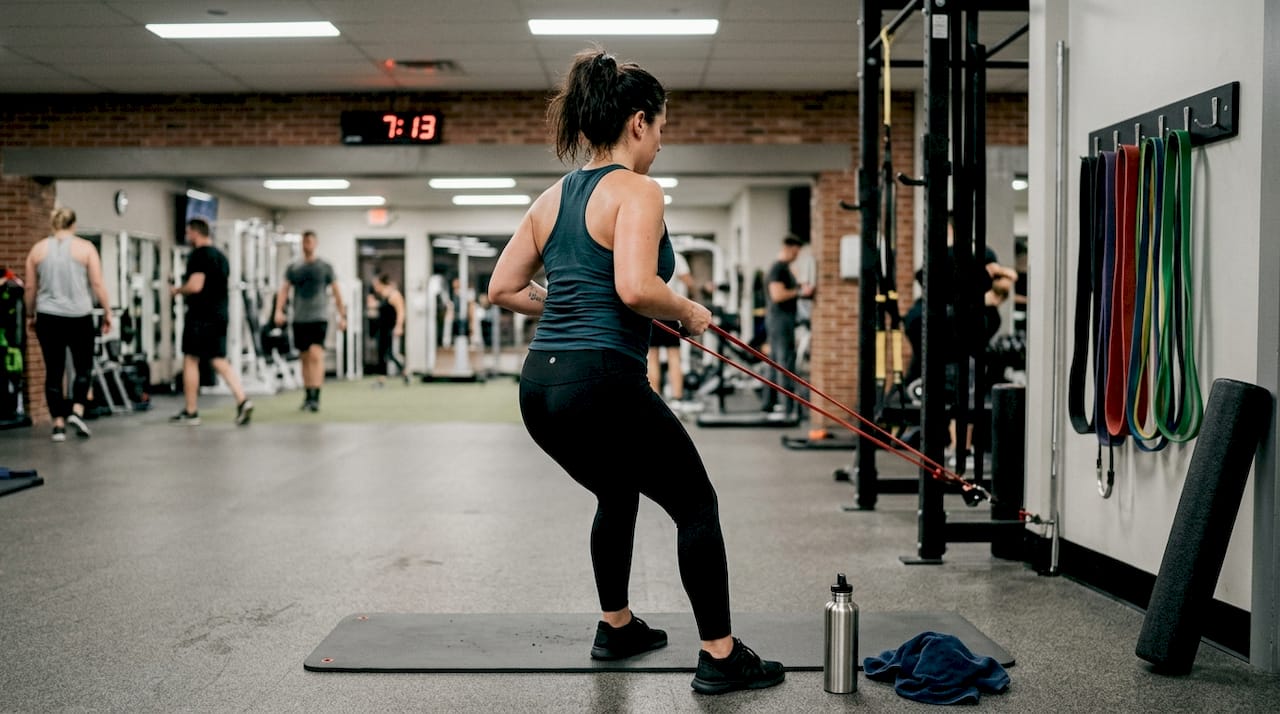
Cotton absorbs moisture and holds it against your skin, creating a warm, heavy layer that impairs cooling. Polyester and nylon blends with hydrophobic finishes actively transport moisture outward through capillary action. High moisture vapor transmission rate and air permeability in polyester fabrics achieved via special finishes improve breathability by allowing water vapor to escape while maintaining fabric structure and durability.
Advanced fabric structures incorporate mesh panels in high-heat zones like underarms, back, and chest. These strategic ventilation areas maximize airflow where you generate the most metabolic heat. Some performance fabrics integrate phase-change materials that absorb excess heat during intense effort and release it during rest intervals, smoothing temperature fluctuations throughout your workout.
Key fabric technology benefits:
- Polyester wicking reduces skin temperature and perceived heat stress
- Breathable structures lower intra-clothing humidity for comfort
- Strategic mesh panels enhance airflow in high-sweat zones
- Quick-dry properties prevent garment weight gain from sweat absorption
- Antimicrobial finishes reduce odor during extended wear
| Fabric Type | Moisture Management | Temperature Control | Best Use Case |
|---|---|---|---|
| Polyester wicking | Excellent | Good | High-intensity cardio, hot weather |
| Nylon blend | Very good | Very good | Endurance training, multi-hour sessions |
| Merino wool | Good | Excellent | Cold weather, variable conditions |
| Cotton | Poor | Poor | Casual wear only, not performance |
Pro Tip: Layer breathable base layers with moisture-wicking properties under any outer garments. This creates a microclimate management system that pulls sweat away from skin, transports it outward, and maximizes evaporative cooling even when wearing additional gear.
Proper fabric choice prevents the performance decline that comes from overheating and discomfort. Athletes who train in hot climates or engage in high-sweat activities gain the most from advanced moisture-wicking and breathable technologies. The next section helps you compare options and match apparel to your specific needs.
Choosing performance apparel: comparing options and matching to your needs
With evidence on compression and fabric technologies established, you can now make informed apparel decisions based on your training goals and sport demands. Compression suits offer recovery acceleration and proprioception benefits, but effectiveness varies significantly by pressure level and fit quality. Custom-fitted high-pressure compression garments accelerate strength recovery versus standard garments by applying precise pressure gradients tailored to your body dimensions. Off-the-rack compression may provide subjective recovery benefits without the same measurable strength return.
Moisture-wicking fabrics excel in temperature regulation and sustained comfort during prolonged efforts. They deliver value across all training intensities and environments, making them a foundational choice for any athlete. Custom-fitted apparel maximizes recovery benefits post-exercise-induced muscle damage, but comes at a premium price point. Standard performance apparel with good compression and breathability offers excellent value for most athletes.
Match apparel choice to these factors:
- Sport type: throwing sports benefit from upper-body compression, endurance athletes prioritize breathability
- Training intensity: high-intensity intervals demand maximum moisture management
- Climate: hot environments require aggressive wicking and ventilation
- Recovery needs: post-competition or heavy training blocks justify custom compression
- Budget: quality standard compression and wicking fabrics deliver strong benefits at moderate cost
| Apparel Type | Primary Benefit | Investment Level | Best For |
|---|---|---|---|
| Graphene compression | Endurance extension, cardiac efficiency | High | Competitive endurance athletes |
| Standard compression | Recovery perception, moderate performance gains | Medium | General fitness, daily training |
| Custom compression | Maximal strength recovery acceleration | Very high | Post-competition, injury recovery |
| Moisture-wicking base layers | Temperature control, comfort | Low to medium | All athletes, all conditions |
| Sport-specific designs | Targeted features for movement patterns | Medium to high | Specialized athletes |
Pro Tip: Build a performance apparel wardrobe in layers. Start with quality moisture-wicking base layers for all workouts. Add moderate compression for recovery days and post-workout wear. Invest in sport-specific or custom gear only after you have established consistent training patterns and identified specific performance limiters.
Consider budget-friendly alternatives that retain core benefits. Many mid-tier brands offer excellent moisture-wicking polyester blends and moderate compression at half the cost of premium options. The performance gap narrows significantly once you move beyond basic cotton athletic wear to any purpose-built performance fabric. Test different brands and fits to find what works for your body and training style before committing to expensive custom options.
Explore high-performance apparel to enhance your training and recovery
Now that you understand how compression levels, fabric technologies, and fit quality impact your training outcomes, explore gear engineered specifically for athletes who demand measurable results. Discover apparel designed to extend aerobic endurance, accelerate muscle recovery, and maintain optimal body temperature across varied training intensities. Find moisture-wicking, breathable fabrics that keep you cool and comfortable during your longest, hardest sessions.
Get compression garments tailored to your recovery and proprioception needs, from moderate daily-wear options to high-pressure recovery pieces. Shop performance apparel crafted for your active lifestyle and specific training goals, whether you are building strength, chasing endurance gains, or refining sport-specific skills. Quality performance gear is an investment in better training outcomes and faster recovery between sessions.
FAQ about performance apparel benefits
What types of compression levels are best for recovery?
Moderate compression at 15-20 mmHg suits daily recovery wear and post-training sessions, optimizing lactate clearance and heart rate recovery without restricting movement. High-pressure compression at 20-30 mmHg accelerates strength recovery after intense competition or eccentric-loading workouts, but should be worn for limited periods immediately post-exercise. Custom-fitted compression provides the most precise pressure gradients for maximal recovery benefits.
How does moisture-wicking fabric improve workout comfort?
Moisture-wicking polyester and nylon fabrics pull sweat away from your skin through capillary action and spread it across a larger surface area for faster evaporation. This reduces skin temperature, prevents garment weight gain from absorbed sweat, and maintains a drier microclimate next to your body. The result is sustained comfort and delayed heat stress during prolonged or high-intensity training.
Can performance apparel improve sports accuracy?
Yes, upper-body compression garments enhance proprioception by providing consistent sensory feedback about body position and movement. Research shows this improves pitching velocity consistency and golf swing accuracy by approximately 3.2%. Athletes in throwing sports, racquet sports, and golf gain measurable accuracy benefits from compression that enhances body awareness during complex movement patterns.
Is custom-fitted compression worth the investment?
Custom-fitted high-pressure compression garments deliver significantly faster strength recovery after exercise-induced muscle damage compared to standard off-the-rack options. The investment makes sense for competitive athletes who need rapid recovery between events or during heavy training blocks. Recreational athletes and those training 3-4 times weekly typically gain sufficient benefits from quality standard compression at much lower cost.
How should I choose apparel for hot weather training?
Prioritize breathable polyester or nylon blends with high moisture vapor transmission rates and strategic mesh ventilation panels in high-sweat zones. Avoid cotton entirely, as it absorbs and holds moisture against your skin, impairing cooling. Light colors reflect heat better than dark shades. Look for loose fits in outer layers to maximize airflow while maintaining moisture-wicking base layers next to skin for sweat management.