

Athleisure isn’t just gym clothes you wear to brunch. It’s a deliberate fusion of performance fabrics and fashion-forward design that lets you move seamlessly from workout to workday without changing. While many assume athleisure means throwing on any yoga pants, true athleisure balances technical function with aesthetic appeal, creating versatile pieces that work across multiple settings. This guide breaks down what athleisure really means, how it evolved into a cultural phenomenon, and how to choose pieces that deliver both comfort and style for your active lifestyle.
Table of Contents
- Key takeaways
- The origins and rise of athleisure
- What makes athleisure different: style, fabrics, and function
- Choosing the right athleisure for your active lifestyle
- Current trends and cultural impact of athleisure
- Explore athleisure styles at Phoenix Clothing
- Frequently asked questions
Key Takeaways
| Point | Details |
|---|---|
| Definition and versatility | Athleisure blends performance fabrics with fashion forward design to let you move from workouts to daily life without changing outfits. |
| Market size and growth | The athleisure market is projected to reach about 400 billion dollars by 2026, driven by fitness culture, remote work, and social media influence. |
| Fabric and function differences | Athleisure emphasizes comfort and style using cotton blends, modal, or basic moisture wicking synthetics, while activewear relies on technical fabrics like four way stretch materials and engineered mesh. |
| Regional leadership | North America leads the market with over 30 percent of the global share, reflecting casual dress norms and fitness oriented lifestyles. |
The origins and rise of athleisure
Athleisure didn’t appear overnight. The concept traces back to the 1970s and 1980s when athletic-inspired apparel first crossed into casual wear, with tracksuits and sneakers becoming acceptable outside gyms. However, the modern athleisure boom exploded in the 2010s when brands like Lululemon repositioned yoga pants and technical tops as lifestyle essentials rather than purely functional gear.
The athleisure market grew into a $400 billion industry by 2026, driven by converging cultural forces. Fitness culture became mainstream, with boutique studios and wellness trends making active lifestyles aspirational. Remote work eliminated traditional office dress codes, creating demand for comfortable yet presentable clothing. Social media amplified the trend as influencers showcased athleisure outfits that looked polished enough for coffee shops and casual meetings.
North America leads the global market with over 30% share, reflecting the region’s embrace of casual dress norms and fitness-oriented lifestyles. The pandemic accelerated adoption as people prioritized comfort during lockdowns, and many never returned to restrictive clothing. Today’s athleisure landscape includes diverse styles:
- Matching sets pairing coordinated tops and bottoms for cohesive looks
- Baggy joggers offering relaxed silhouettes beyond traditional fitted leggings
- Elevated sportswear incorporating tailored cuts and premium fabrics
- Hybrid pieces blending technical performance with street-style aesthetics
The market continues evolving as brands compete on fabric innovation, sustainability credentials, and lifestyle positioning. What started as yoga pants has transformed into a comprehensive wardrobe category that challenges traditional boundaries between athletic wear and everyday fashion.
What makes athleisure different: style, fabrics, and function
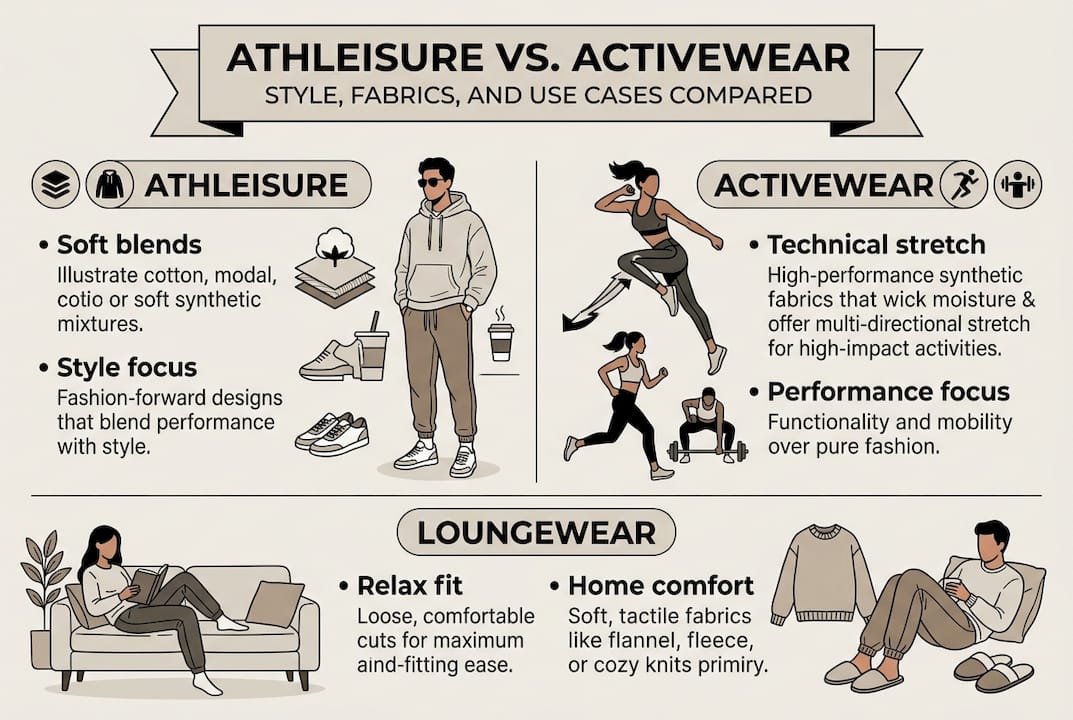
Many people confuse athleisure with activewear or loungewear, but critical differences exist. Athleisure prioritizes style and comfort with softer fabrics, while activewear focuses on technical performance features. Understanding these distinctions helps you choose appropriate pieces for your needs.
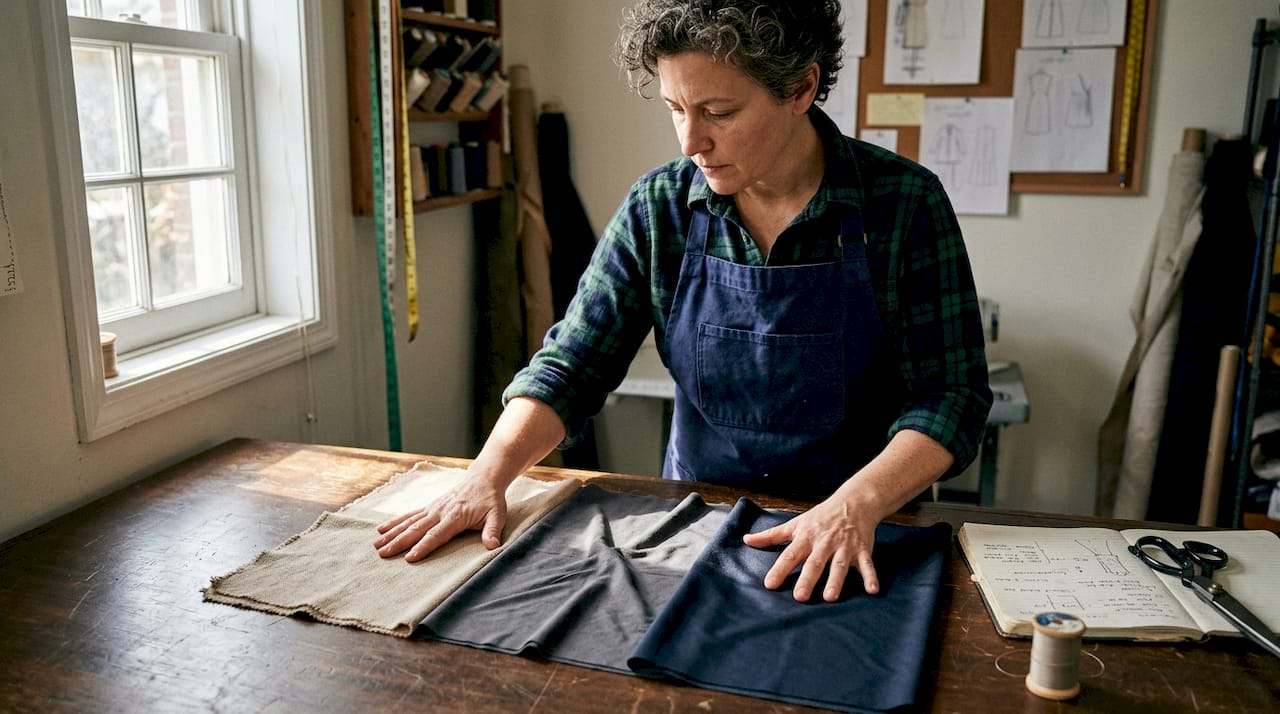
Athleisure typically uses cotton blends, modal, or basic moisture-wicking synthetics that feel soft against skin. The aesthetic leans toward clean lines, neutral colors, and versatile designs that work in multiple settings. You can wear athleisure leggings to a yoga class, then meet friends for lunch without looking out of place. The priority is comfort and appearance rather than maximum performance.
Activewear employs advanced technical fabrics like four-way stretch synthetics, compression materials, and engineered mesh panels. These pieces feature moisture-wicking technology that pulls sweat away from skin, antimicrobial treatments, and strategic ventilation zones. Activewear suits high-intensity workouts where performance matters more than fashion. The designs often include bold patterns, reflective details, and sport-specific cuts.
Loungewear sits at the opposite end, prioritizing relaxation over function. Think oversized sweatshirts, loose joggers, and soft fabrics meant for couch time. Loungewear lacks the structure and polish of athleisure, making it less suitable for public settings.
| Category | Primary Fabrics | Design Focus | Best For |
|---|---|---|---|
| Athleisure | Cotton blends, modal, basic wicking | Style meets comfort | Light workouts, errands, casual outings |
| Activewear | Technical synthetics, compression | Performance optimization | High-intensity training, competitive sports |
| Loungewear | Fleece, jersey knits, soft cotton | Maximum relaxation | Home wear, sleep, recovery |
Pro Tip: Check fabric weave density by holding pieces up to light. Tighter weaves with minimal light penetration indicate better moisture management and durability, regardless of marketing claims about technical features.
Not all athleisure suits intense workouts. A stylish athleisure top with basic moisture-wicking might work for gentle yoga but fail during spin class. Consider your actual activity level when shopping. If you sweat heavily or do high-impact training, look for athleisure pieces incorporating activewear-grade fabrics. Many premium brands now offer hybrid designs that deliver both performance and style.
Choosing the right athleisure for your active lifestyle
Selecting athleisure that truly works for workout-to-casual transitions requires understanding fabric technology and design priorities. Hybrid pieces with technical fabrics enable seamless movement between exercise and everyday activities without compromising comfort or appearance.
Start with fabric composition. Look for pieces combining natural fibers with performance synthetics, creating materials that breathe well while managing moisture. Four-way stretch fabrics move with your body during workouts while maintaining shape throughout the day. Premium fabrics like Powermove, Luxtreme, or similar proprietary blends offer superior durability and true breathability compared to basic polyester blends.
Consider your sweat level and activity intensity. Light activities like walking, casual yoga, or strength training work well with standard athleisure fabrics. High-sweat workouts including running, HIIT, or heated yoga require athleisure pieces incorporating activewear-grade moisture management. Test pieces during actual workouts before committing to expensive items.
Fit matters as much as fabric. Athleisure should feel comfortable without excess fabric bunching or restrictive tightness. Leggings need sufficient compression to stay in place during movement but shouldn’t create uncomfortable pressure. Tops should allow full range of motion without riding up. Try squatting, reaching overhead, and bending to test real-world wearability.
“The best athleisure investments combine technical performance with timeless style. Choose pieces in neutral colors with clean lines that won’t look dated next season. Focus on fabric quality over trendy details, as superior materials maintain appearance and function through hundreds of wears and washes.”
Sustainability considerations increasingly influence athleisure choices. Prefer brands using recycled polyester, which reduces environmental impact while delivering performance comparable to virgin synthetics. Care for pieces properly by washing in cold water, avoiding fabric softeners that coat fibers and reduce wicking ability, and air drying to prevent heat damage.
Pro Tip: Test fabric stretch retention by pulling a small section of fabric and releasing it. Quality athleisure snaps back immediately without sagging. Repeat this test after several washes to verify lasting performance before investing in multiple pieces from a new brand.
Key features to evaluate when buying athleisure:
- Fabric composition balancing natural and synthetic fibers
- Four-way stretch allowing movement in all directions
- Moisture-wicking capability appropriate for your sweat level
- Flatlock seams preventing chafing during activity
- Purpose-specific design matching your primary use cases
- Care requirements fitting your lifestyle and laundry habits
- Color and style versatility across multiple outfit combinations
Current trends and cultural impact of athleisure
Athleisure adoption varies significantly across generations, revealing how different age groups integrate the style into daily life. Millennials lead weekly athleisure wear at 39%, followed by Gen X at 33% and Gen Z at 22%. These patterns reflect varying lifestyle priorities, with millennials balancing careers, fitness goals, and casual social lives that athleisure accommodates perfectly.
The market has reached saturation in traditional athleisure categories, pushing brands toward niche styles and subcultural aesthetics. Gorpcore blends outdoor gear with urban fashion, incorporating technical hiking pants and trail runners into everyday outfits. Balletcore brings dance-inspired pieces like wrap tops and leg warmers into athleisure wardrobes. These micro-trends let consumers express individuality within the broader athleisure category.
| Generation | Weekly Athleisure Wear | Primary Drivers |
|---|---|---|
| Millennials | 39% | Work flexibility, fitness culture, lifestyle balance |
| Gen X | 33% | Comfort priorities, active lifestyles, practical fashion |
| Gen Z | 22% | Trend experimentation, social media influence, sustainability |
Top brands compete through lifestyle positioning rather than pure product features. Lululemon maintains premium positioning with community-building initiatives and ambassador programs. Alo Yoga targets wellness-focused consumers through yoga studio partnerships and influencer collaborations. Vuori appeals to active men seeking versatile pieces that transition from workouts to casual settings. These brands sell aspirational lifestyles as much as clothing.
Current athleisure trends shaping 2026:
- Matching sets creating coordinated looks with minimal styling effort
- Oversized silhouettes moving beyond traditional fitted athleisure aesthetics
- Elevated fabrics incorporating luxe textures like ribbed knits and brushed finishes
- Sustainable materials including recycled synthetics and plant-based fibers
- Gender-neutral designs expanding beyond traditional men’s and women’s categories
- Minimalist color palettes favoring earth tones and muted neutrals
- Functional details like hidden pockets and convertible features
The cultural impact extends beyond fashion into workplace norms and social expectations. Athleisure normalized comfortable clothing in settings previously requiring formal attire. Many offices now accept athletic-inspired pieces as business casual, particularly in tech and creative industries. This shift reflects broader cultural values prioritizing wellness, work-life balance, and authentic self-expression over rigid dress codes.
Social media amplifies athleisure trends through fitness influencers and lifestyle content creators showcasing outfit combinations and brand recommendations. Platforms like Instagram and TikTok drive discovery and purchasing decisions, with viral moments launching specific pieces into must-have status. Brands invest heavily in digital marketing and influencer partnerships to capture attention in crowded markets.
Explore athleisure styles at Phoenix Clothing
Ready to build an athleisure wardrobe that delivers both performance and style? Phoenix Clothing offers premium gymwear designed for athletes and active individuals who refuse to compromise on quality or aesthetics. Our collection features breathable fabrics, versatile styles, and durable construction that withstands intense workouts and frequent wear.
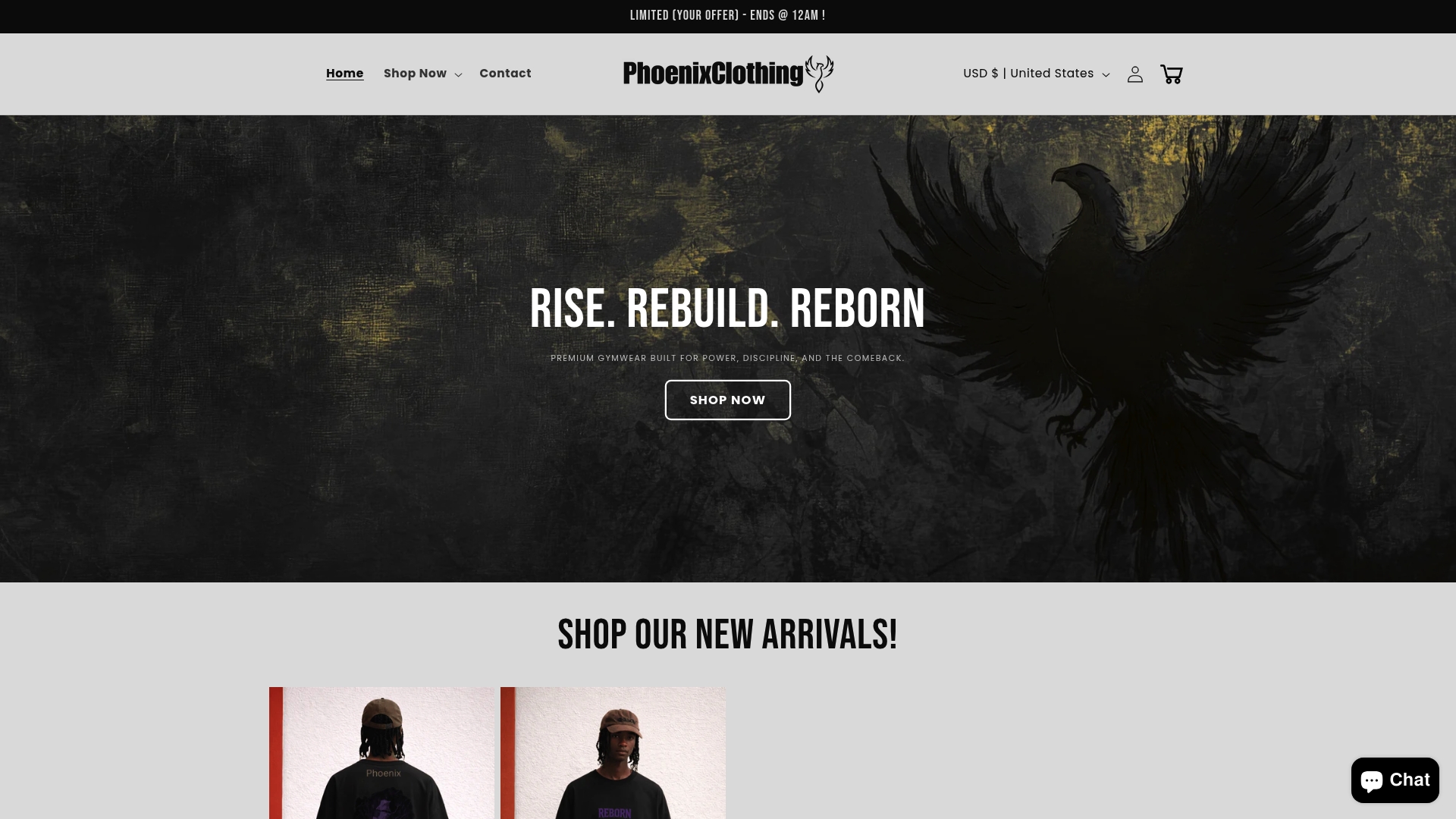
Our athleisure pieces blend technical performance with clean, minimalist design. Each item undergoes rigorous testing to ensure it maintains shape, wicks moisture effectively, and looks sharp through countless wears and washes. From high-performance leggings to elevated hoodies, our collection supports your active lifestyle without sacrificing style.
Pro Tip: Start with hybrid pieces that work equally well for workouts and casual wear. A quality pair of performance leggings and a versatile hoodie create a foundation for dozens of outfit combinations.
Popular athleisure categories at Phoenix Clothing:
- High-performance leggings with four-way stretch and moisture management
- Versatile hoodies combining comfort with structured silhouettes
- Joggers offering relaxed fits without looking sloppy
- Matching sets creating coordinated looks with minimal effort
Frequently asked questions
What exactly is athleisure and how is it different from regular workout clothes?
Athleisure is clothing designed to work for both athletic activities and casual everyday wear, prioritizing style alongside function. Unlike pure activewear focused on maximum performance, athleisure uses softer fabrics and fashion-forward designs suitable for multiple settings beyond the gym.
What fabrics work best for all-day athleisure comfort?
Cotton blends, modal, and basic moisture-wicking synthetics provide all-day comfort for athleisure wear. Look for four-way stretch materials that move with your body while maintaining shape. Premium blends incorporating small amounts of spandex or elastane offer the best balance of stretch and recovery.
Can I wear athleisure for high-intensity workouts?
Some athleisure pieces work for intense exercise, but not all. Check fabric specifications for advanced moisture-wicking and compression features if you plan high-sweat activities. Many brands now offer hybrid athleisure incorporating activewear-grade fabrics that handle demanding workouts while looking stylish enough for post-gym errands.
Why is athleisure so popular among millennials and young adults?
Athleisure aligns with millennial priorities including fitness culture, work flexibility, and lifestyle versatility. The style accommodates active schedules requiring clothing that transitions seamlessly between workouts, remote work, and social activities. Comfort and practicality matter more to this generation than traditional fashion rules.
How do I care for athleisure to maintain fabric performance?
Wash athleisure in cold water to preserve fabric elasticity and prevent shrinkage. Skip fabric softeners, which coat fibers and reduce moisture-wicking ability. Air dry when possible, as heat damages elastic fibers and causes premature wear. Turn pieces inside out before washing to protect exterior finishes and colors.